Why Am I So Tired in the Fall? Understanding Transition Fatigue
9/29/2026
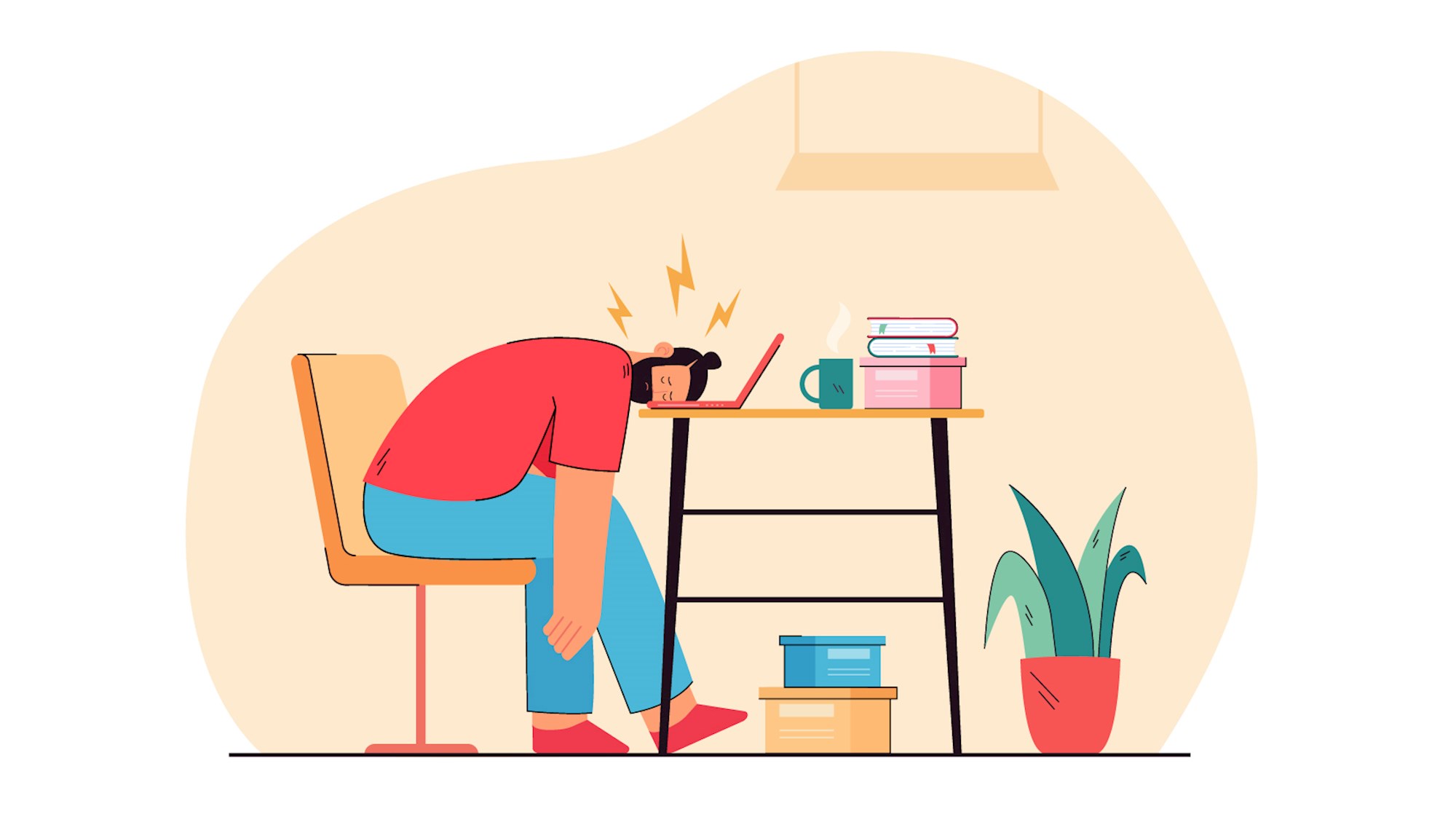
As the days gets shorter in the fall, it’s not just the leaf colors that are changing. Like me, you’re probably also in the midst of adjusting to a new job, a new schedule, or even a new school year around this time. Whatever changes are on your plate this fall, you might have noticed something odd: you feel exhausted, even if you really haven’t done too much. If you’re wondering why you feel this way when you slept well and didn’t run a marathon, stay with me.
There is a name for this feeling: it’s called transition fatigue, and it is actually a lot more common than you’d think, especially when summer routines flip right into school and work mode as the weather starts changing here in Northeast Ohio.
What's Really Going On
When it comes to feeling this way, you probably aren’t facing one big challenge, but rather a culmination of many small-scale changes and challenges happening all at once. Right now, you are likely adjusting to a new wake-up time, new faces and names, new rules, and a new commute. When you aren’t looking at this from a big-picture perspective, none of these things seem like a big deal on their own. However, your body can treat each of them like a stressor, and they can add up fast when they hit back-to-back. Even if nothing is actually going wrong, having to stay “on alert” through transitions like this can leave you feeling like you’re running on empty because stress is weighing on you more than you realize.
Additionally, when fall starts to come around, having less daylight can mess with your sleep and your mood. This isn’t an issue that’s just in your head; it’s the way our bodies respond to the seasons. Learn more about how shorter days can affect your mood and energy.
Signs You Might Be Dealing With Transition Fatigue
If you’re experiencing transition fatigue, it might not always show up as just being a little extra sleepy. Sometimes it can come out as feeling irritable over little things, having a hard time focusing (even on stuff you usually enjoy), wanting to cancel plans with friends, or feeling “flat” or unmotivated. If any of these sound familiar, remember that feeling this way doesn’t mean you’re lazy. Your brain has probably just been working a bit harder than usual to catch up.
How to Recharge Effectively
You don’t need to completely overhaul your life to feel better. These small, consistent habits can go a long way:
- Protect your sleep window. Even an extra thirty minutes of sleep at night can help your brain reset. Check out this breakdown on how much sleep you actually need.
- Get outside during daylight hours. Spending even 10 minutes outside can help regulate your mood and energy. Thankfully, we have some great resources for this here in Northeast Ohio. Check out the Summit Metroparks or Cuyahoga Valley National Park.
- Give yourself a real transition buffer. Don’t jump straight from work or school to homework and other activities. Take a short walk or a music break in between to help your brain transition out of work or school mode.
- Say no to some things. You don’t have to say yes to every club, shift, or hangout right away. Overcommitting can be a slippery slope, so remember that it’s okay to say no!
- Say yes on purpose. While it is okay to say no, remember that saying no to everything isn’t the goal. Before committing to something, ask yourself: Does this make me happy, or does it move me closer to a goal I actually care about? A part-time job that builds skills for a career you want, joining a club associated with one of your hobbies, or spending time with people who energize you are all worth the effort, even when you’re tired. Being strategic means saving your energy for the things that actually pay off.
You're Not the Only One Feeling This Way
When school, work, or life changes are hitting you a lot harder than you expected, it doesn’t necessarily mean something is wrong. Adjusting to a lot of changes at once can take more energy than you realize. If this ever starts to feel like more than just tiredness, it is absolutely worth talking to someone. NAMI Ohio has resources for young people navigating stress and mental health, including local support across Ohio.
Give yourself some grace this season. Your brain is adjusting, and that takes time.
–––––––
About the Author: My name is Serena. I am a transition-aged youth in Northeast Ohio who is learning to navigate adulthood one step at a time alongside all of you. I have faced my fair share of challenges, but I have learned from each experience. I want to share how I see the world, advocate for myself, and keep moving forward. My story is still being written, and it’s rooted in growth, resilience, and figuring things out as I go.